01
Aeroponic Tower Farms
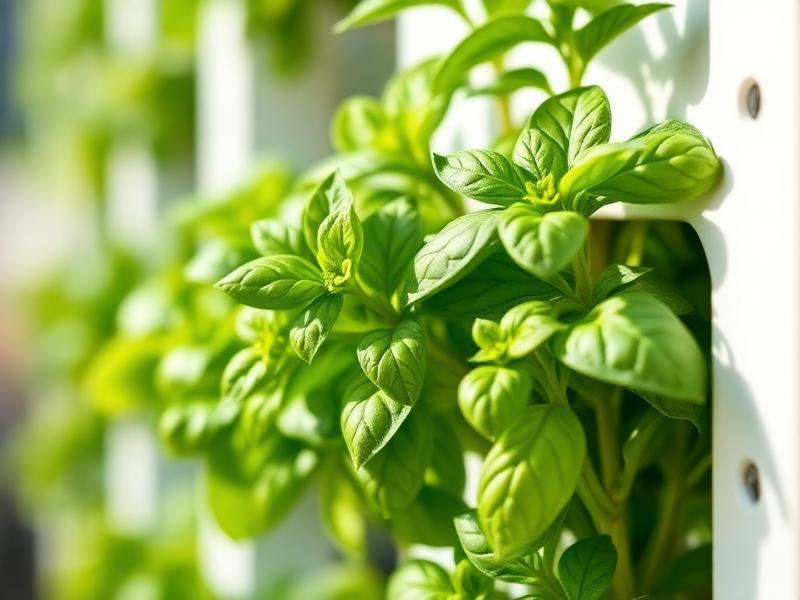
Vertical towers mist nutrient-rich water directly onto exposed roots — no soil, no runoff. Plants grow up to 3× faster while using 95% less water and 90% less space than conventional farming.
Feeding the Greek islands, one harvest at a time.
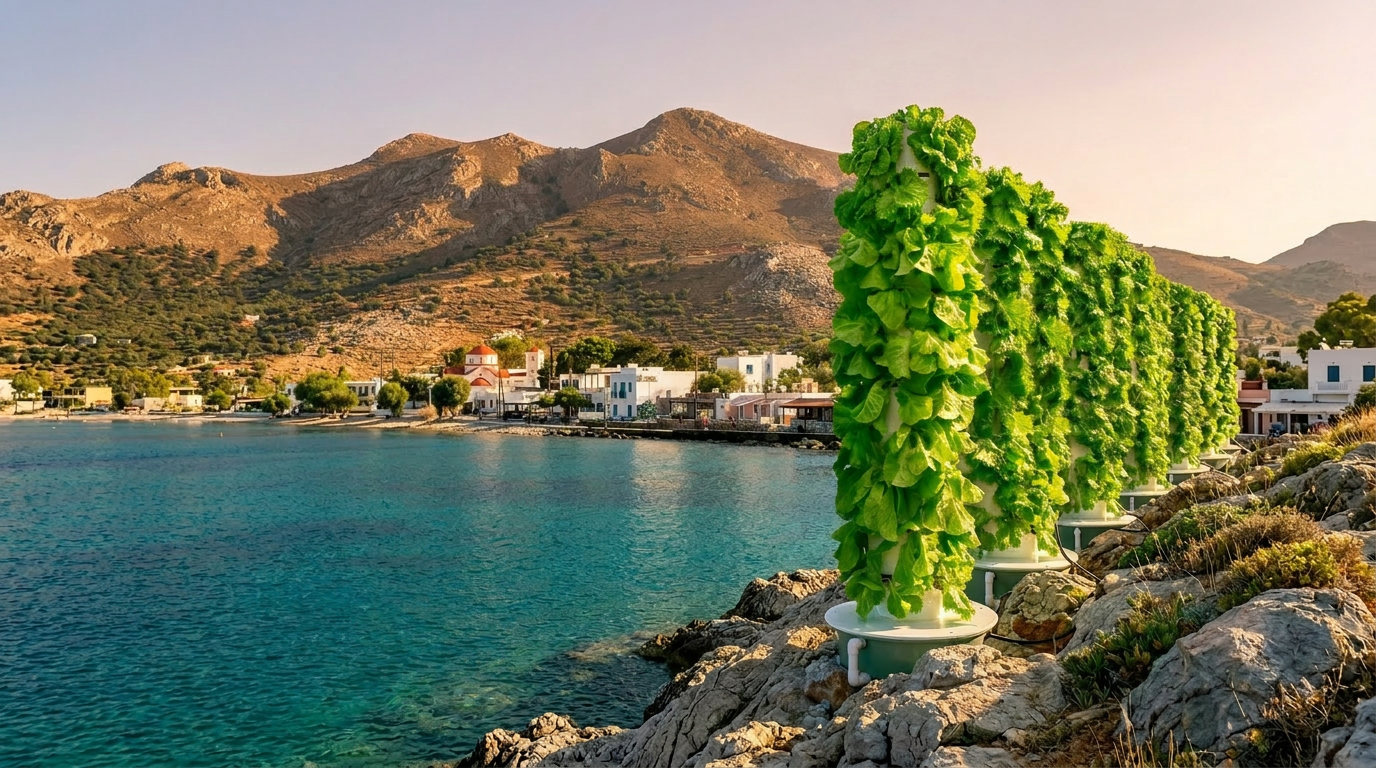
Year-Round Harvest.
95% Less Water.
Chlora grows fresh greens and vegetables year-round on Greek islands using aeroponic Tower Farms. No soil. No pesticides. Up to 95% less water than conventional agriculture.
From the Ancient Greek χλωρός — green, fresh, the verdant beauty of spring. In myth, Chloris, goddess of flowers and new growth.
Vertical towers mist nutrient-rich water directly onto exposed roots — no soil, no runoff. Plants grow up to 3× faster while using 95% less water and 90% less space than conventional farming.
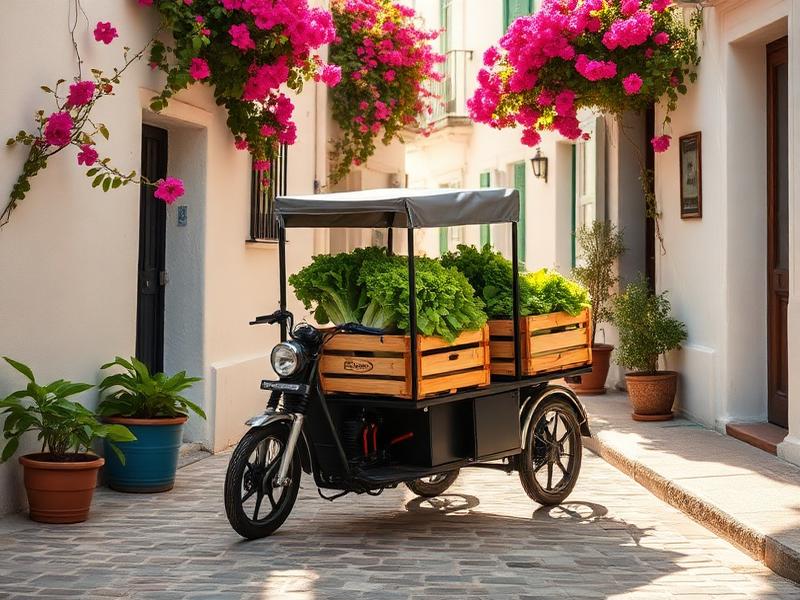
Climate-controlled production runs 12 months a year. Summer supplies island hotels and restaurants at the tourism premium; winter ships to the UK when domestic supply is at its lowest.
A closed vertical loop — no soil, no fish, no waste. Just water, nutrients and roots.
Young plants are placed into ports on a vertical tower — roots exposed inside the column, leaves out in the light.
A reservoir pumps water with mineral nutrients to the top of the tower. It mists down over the bare roots — the most efficient way to feed a plant.
With oxygen, water and nutrients delivered directly, plants grow up to 3× faster than in soil — no pesticides required.
Water that isn't absorbed drains back into the reservoir and is used again. The only losses are plant transpiration and a touch of evaporation.
Less WaterClosed recirculation loses water only to plant transpiration — not to soil drainage or evaporation across open fields. The same harvest on a fraction of the freshwater an island can spare.
Occasional notes on the towers, the islands, and the build.